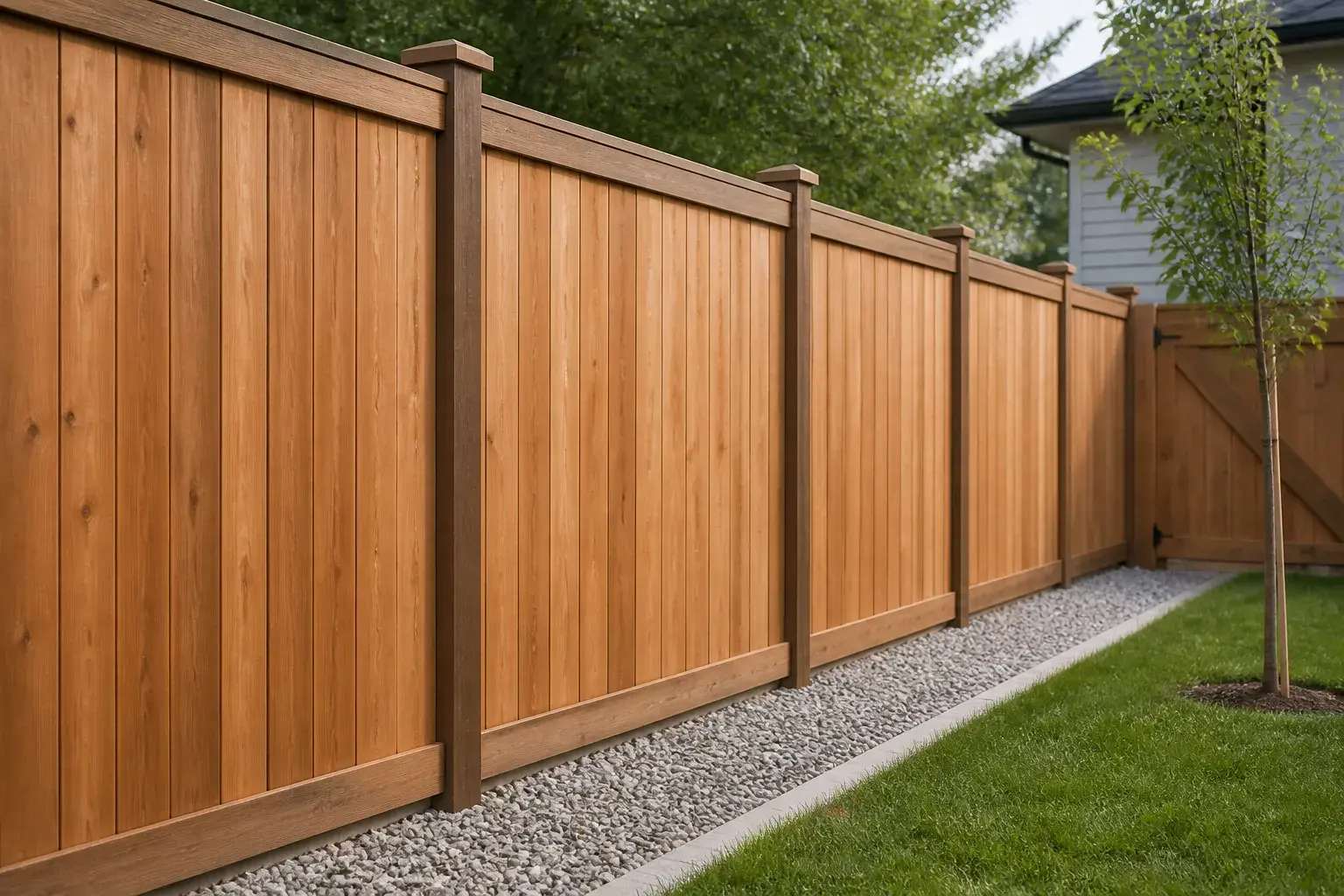
Fencing in Boise, ID
Fence Installation in Boise, ID
A new fence gives your property privacy, security, and a cleaner finished look.
Your fence should solve a problem, not create a new one. Maybe the yard feels too open, pets keep testing weak spots, or the old fence leans, gaps out, and no longer lines up with the property. When the posts are unstable or the layout never matched the space to begin with, the whole yard starts to feel harder to use.
Ridgeback Fence Co helps homeowners plan and build a fence that looks intentional and works the way it should. If you are ready to replace a failing fence or install one on a new property, we can help you move from rough idea to finished line with clear communication and careful workmanship.
Common warning signs
A fence does not usually fail all at once. It gives off clues first, and catching them early can help you decide whether repair still makes sense or a full installation is the smarter move.
- Leaning sections: A fence that tilts or bows often points to post movement, soil shift, or repeated pressure on the structure.
- Loose boards or panels: Parts that rattle, separate, or hang unevenly usually mean the frame is no longer holding shape.
- Gaps at the ground: Open space under the fence can let pets wander and can also make the property feel less contained.
- Visible rot or corrosion: Damage around fasteners, posts, or lower edges can spread faster than it first appears.
- Poor layout: A fence that blocks access, crowds walkways, or leaves awkward corners may have been installed without enough planning.
If these issues keep returning, a new installation can give you a cleaner starting point and a layout that actually fits how you use the yard.
What a good plan includes
Fence installation works best when the planning is specific. A fence that looks fine on paper can still become a problem if it does not account for gates, slope, corners, or the way you move through the yard.
Layout choices
The layout should follow the property in a way that feels practical, not forced. We look at where the fence should begin and end, where a gate will be most useful, and how the line will relate to existing features in the yard.
Height and coverage
Different spaces call for different levels of coverage. Some homeowners want more visual privacy, while others mainly need a defined boundary or a safer space for pets and kids.
Gate placement
A gate should be easy to reach, easy to use, and placed where it makes sense for daily traffic. Poor gate placement can turn a helpful fence into an annoyance.
Material fit
The right material depends on the look you want, how much upkeep you are comfortable with, and how the fence needs to perform over time.
How we install
At Ridgeback Fence Co, we keep the process organized so the work stays clear from the first conversation through final cleanup. Good installation is not just about setting posts. It is about giving the entire fence a stable, deliberate structure.
- Walk the property: We review the space, identify the fence line, and talk through the purpose of the new installation.
- Confirm the plan: We discuss gate locations, height preferences, and the look you want the finished fence to have.
- Prepare the site: We get the area ready for construction so the layout is clean and the fence line is easier to build accurately.
- Set the structure: Posts, framing, and panel placement are handled carefully so the fence has a solid base.
- Finish the details: We check alignment, gate function, and the overall appearance so the finished project feels complete.
This kind of process matters because the small details are often what separate a fence that settles in well from one that starts looking off after a short time.
Installation details
A reliable fence installation depends on more than the visible surface. Homeowners often notice the style first, but the hidden structure is what gives the fence its staying power.
- Post setting: Posts need to be placed consistently so the fence line remains straight and stable.
- Spacing accuracy: Even spacing helps panels, pickets, or rails look intentional and fit correctly.
- Corner treatment: Corners need extra attention because they affect both appearance and strength.
- Gate support: Gates put more demand on the frame, so the surrounding structure has to be built to handle repeated use.
- Clean transitions: Changes in grade, direction, or width should be handled in a way that keeps the fence looking cohesive.
When these details are handled carefully, the finished fence feels like part of the property rather than an afterthought.
Choosing the right fence
Not every fence has the same job. The right choice depends on what you want the fence to do day to day, not just how it looks from the street.
- Privacy needs: If you want less visibility into the yard, the fence should be designed with coverage in mind from the start.
- Containment goals: If pets or children will use the space regularly, the fence should reduce escape points and weak areas.
- Boundary definition: If the main goal is to mark property lines and create a clean perimeter, the design can focus more on shape and consistency.
- Appearance priorities: If the fence is a major visual feature, proportions, gate placement, and line quality matter just as much as function.
If you are not sure which direction to take, we can walk through the tradeoffs so the choice matches the yard instead of fighting it.
What can go wrong
A fence installation can run into trouble when the planning is rushed or the site is not handled carefully. Understanding the common problems can help you avoid them before the work starts.
Uneven lines
If the fence line is not planned well, the finished result can look wavy, off-center, or disconnected from the rest of the property.
Weak gates
A gate that is too heavy for its supports, poorly aligned, or placed in a cramped spot will become frustrating fast.
Poor fit to the yard
Yards are rarely perfect rectangles. Slopes, angles, and existing features need to be worked into the design instead of ignored.
Fast wear points
Areas near gates, corners, and ground contact need extra care because they tend to take more stress over time.
When we install a fence, we pay attention to these trouble spots early so you are not left dealing with avoidable problems later.
What to expect
Homeowners in Boise often want a fence that feels purposeful, clean, and suited to the property. That starts with clear expectations before the first part goes in.
You can expect us to talk through the purpose of the fence, the layout, and the features that matter most to you. If you have a specific concern, such as keeping a yard enclosed or creating a stronger sense of privacy, we will focus the installation around that goal.
Ridgeback Fence Co also knows that good communication matters during a project. We keep the work straightforward and make it easier to understand what is happening at each step. That way, you are not left guessing how the fence is coming together or whether the final result will match the plan.
For homeowners in Boise, that kind of clarity can make the whole process feel much more manageable.
Common questions
How do I know if I need a new fence instead of another repair?
If the fence keeps leaning, splitting, or separating in multiple places, replacing it may make more sense than continuing to patch the same weak spots.
What should I think about before starting a fence installation?
Think about how the yard will be used, where gates should go, how much coverage you want, and whether the fence needs to support pets, privacy, or boundary definition.
Can a fence be installed around an awkward yard shape?
Yes, and that is often where careful planning matters most. Uneven edges, angles, and changes in direction can be worked into the layout with the right approach.
How do gate locations affect the finished fence?
Gate placement affects convenience, traffic flow, and how the fence feels day to day, so it should be chosen before the layout is finalized.
Why does post setting matter so much?
Posts are the support structure for the entire fence, so if they are not set well, the rest of the fence is more likely to shift or sag.
What makes a fence feel like it belongs with the property?
A fence feels right when the height, line, spacing, and gate placement all match the yard and the way you use it.
Start your project
A fence installation should give you a cleaner boundary, a more usable yard, and a finished look that feels like it was planned from the start. Whether you are replacing an old fence or building one for a new space, Ridgeback Fence Co can help turn the rough idea into a fence that fits the property and serves a real purpose.
If you are ready to move forward with Fence Installation in Boise, let us help you choose the right layout and build it with care.
How We Work
A Clear Fence Process From Start to Finish
Every project starts with a look at the property and a conversation about what you need the fence to do.
- 01
Review the Property
We look at the layout, access, and fence goals before planning the work.
- 02
Explain Your Options
You get clear guidance on materials and the type of fence that fits your property.
- 03
Build and Finish
We complete the project carefully and leave the site ready for use.
FAQ
Common Fencing Questions
If you have questions about your fence project, send us a message and we will help you think through the options.
How do I choose the right fence for my property?
It depends on your goals for privacy, security, and appearance. We help you compare the options and pick what fits best.
Can you repair part of an existing fence?
Yes, many fences can be repaired without replacing everything. We look at the condition of the fence and explain the best approach.
What types of fencing do you install?
We handle common options like wood, vinyl, chain link, and ornamental fencing. The right choice depends on the property and the purpose of the fence.
How long does a fence project take?
It depends on the size of the project, materials, and site conditions. We review the scope with you before work begins.
Do you help with fence replacement?
Yes, we can remove failing fencing and install a new system that better fits your needs. We make the process as straightforward as possible.
Ready to Upgrade Your Fence
Tell us about your property, and we will help you plan the right fence repair, replacement, or new installation.