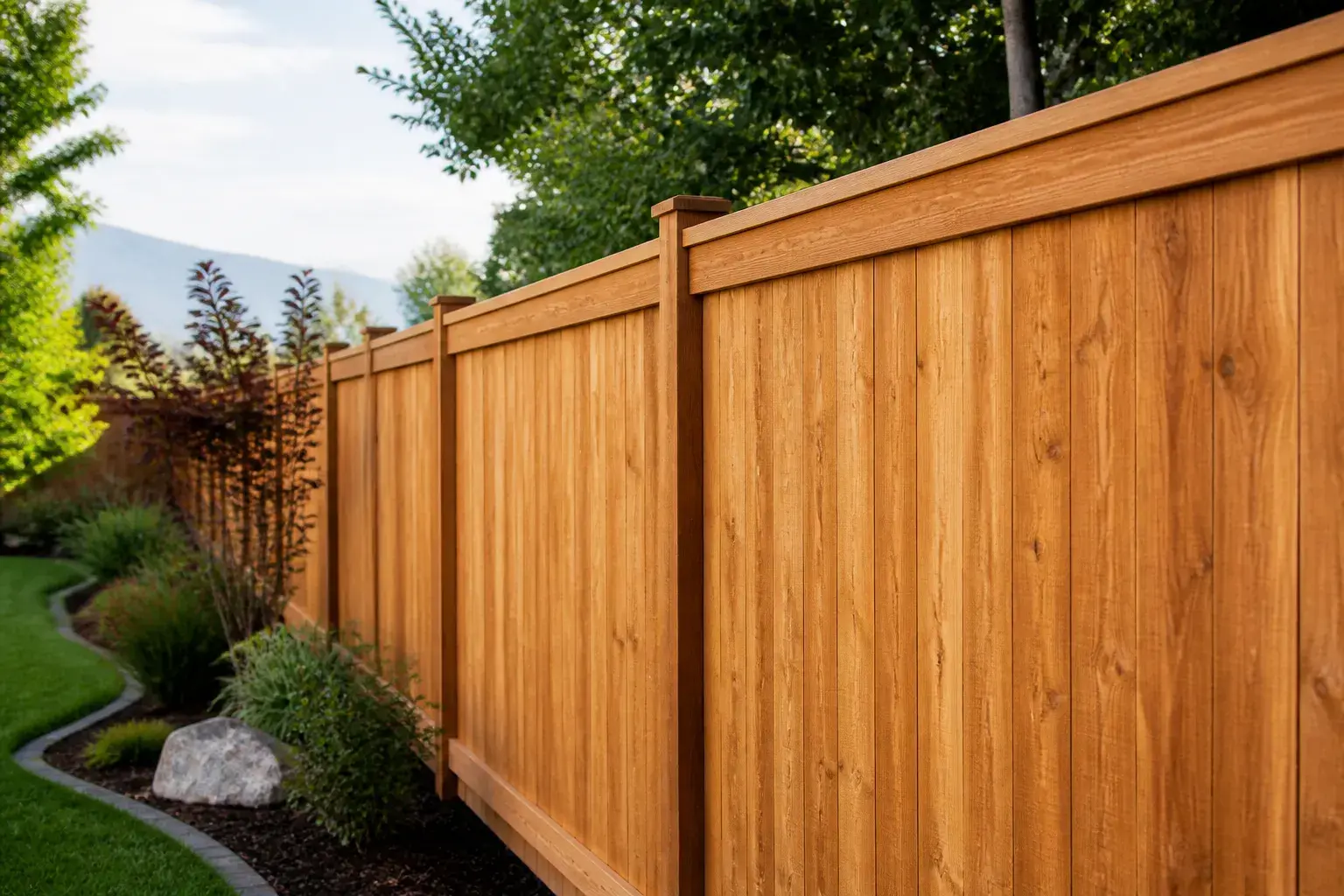
Fencing in Boise, ID
Wood Fencing in Boise, ID
Wood fencing adds classic curb appeal and a natural boundary around your property.
A wood fence should feel sturdy when you open the gate, keep sightlines where you want them, and frame the yard without drawing attention to cracks, sagging rails, or boards that have started to pull away. When that changes, the whole property can feel a little less finished and a lot less private. If you are noticing soft spots, loose pickets, or sections that no longer sit level, the next step is to look at what is failing before the problem runs through the rest of the fence.
Ridgeback Fence Co helps homeowners in Boise sort out wood fencing that has aged unevenly, taken on damage, or simply no longer fits the way the property is used. We focus on practical fixes and clean-looking results, whether the need is a repair, a replacement of worn sections, or a new wood fence built to match the home and yard. The goal is simple: restore structure, privacy, and curb appeal without making the process more complicated than it needs to be.
Common warning signs
Wood fencing rarely fails all at once. Usually, there are a few early clues that the fence is starting to give up in one area and may soon need more than a quick tightening.
- Leaning posts: A post that tilts even a little can pull nearby rails and panels out of line.
- Split boards: Cracks in boards often spread after repeated movement or weather exposure.
- Loose fasteners: Nails or screws that back out leave pickets rattling and reduce the fence’s strength.
- Gate drag: A gate that sags, scrapes, or needs extra force to latch often points to frame or post trouble.
- Gaps opening up: Spaces between boards can reduce privacy and signal that wood has shifted or warped.
- Soft or darkened wood: Areas that feel spongy or look discolored may need attention before the damage spreads.
If you notice more than one of these issues, it is usually smarter to address the problem in sections rather than wait for the fence to fail in a larger span.
What wood fencing needs
Wood fencing works well when the structure, spacing, and material choice all match the site. A fence that looks good on day one can still struggle later if the posts are not set correctly or the design does not account for how the yard is actually used.
Solid post support
Posts do the heavy lifting. When they are set firmly and kept aligned, the rest of the fence has a chance to stay straight and stable.
Consistent board spacing
Clean spacing gives a fence its finished look and helps the line feel intentional instead of patched together.
Gate alignment
A gate should open smoothly and latch without extra effort. If it swings out of line, the problem usually starts at the support points rather than the gate itself.
Material fit
Different wood styles can change the appearance and upkeep needs of the fence. The right choice depends on whether you want more privacy, a more open feel, or a design that matches the home’s exterior.
Repair or replace
Not every damaged fence needs to come out in full. In many cases, one span, one gate, or a handful of posts can be addressed without disturbing the rest.
- Localized repair: This makes sense when damage is limited to one section, such as a loose run of boards or a single leaning post.
- Section replacement: This is often the right move when several connected parts have aged together and repairs would only delay the same problem.
- Full replacement: This becomes practical when the fence has widespread deterioration, repeated sagging, or a layout that no longer serves the property well.
The right call depends on more than what is visible from a distance. A fence can look acceptable from the street and still have hidden weakness at the posts, rails, or gate frame. Ridgeback Fence Co helps homeowners in Boise compare those options so the solution fits the condition of the fence instead of guessing at it.
New fence planning
A new wood fence should do more than mark a boundary. It should suit the shape of the yard, sit cleanly along the line, and create the amount of privacy or openness you actually want.
Before starting, it helps to think through a few practical details:
- Fence purpose: Decide whether the main goal is privacy, containment, or a cleaner property edge.
- Board style: Choose a look that complements the home instead of overpowering it.
- Gate use: Think about how often the gate will be used and where the opening should feel most natural.
- Layout transitions: Pay attention to corners, slope changes, and places where the fence meets existing structures.
- Visual balance: A wood fence should look intentional from every angle that matters, not just from one side of the yard.
These details matter because wood fencing is both functional and visible. A good layout makes the fence easier to use and easier to live with every day.
How the work flows
Homeowners usually want a process that feels straightforward, communicates clearly, and avoids surprises. That is the standard we aim to keep.
1. Review the fence
We start by looking at the problem area, the fence line around it, and anything that may affect the finished result, such as gate movement or uneven sections.
2. Identify the fix
Some fences need straightforward repair work. Others call for replacing more material so the finished section matches the rest of the run and holds up better.
3. Complete the work
Once the plan is clear, we move ahead with the wood fencing work needed to restore structure and appearance. The focus stays on a clean line, secure connections, and a result that fits the property.
4. Check the finish
The last step is making sure the fence looks right, opens and closes properly, and no obvious issues were left behind.
That kind of process keeps the project manageable and helps avoid patchwork that only solves part of the problem.
Wood choices and styles
Wood fencing can take several forms, and the right one depends on how much privacy, visibility, and visual weight you want around the property.
- Privacy boards: These create a fuller barrier and work well when separation matters most.
- Side-by-side layouts: This style gives a more enclosed feel while keeping the line of the fence neat.
- Picket patterns: These offer a lighter look when you want definition without a solid wall of material.
- Custom gate matching: A gate should follow the same style as the rest of the fence so the whole run feels consistent.
The design should also make sense for maintenance over time. A style that is easy to keep aligned and secure tends to stay looking better longer than one that fights the yard or the way the property is used.
Care that helps
Wood fencing does not stay sharp-looking forever on its own, but a little attention goes a long way. The key is catching small problems before they pull on the larger structure.
- Watch for movement: If a post or gate starts shifting, the surrounding sections may soon follow.
- Keep an eye on board edges: Frayed or split edges often mean the fence is drying out or taking repeated stress.
- Look after latch points: Hardware that binds or misaligns can wear down the gate frame over time.
- Notice changes after impacts: Even a minor bump can loosen boards or push a post out of line.
When a homeowner stays aware of these details, it becomes easier to choose a targeted repair instead of waiting for a much larger section to fail.
Common questions
How do I know if a wood fence can be repaired?
If the damage is limited to boards, a gate, or a small section of posts, repair may be the practical choice. The structure needs to be checked carefully to see whether the fence is still sound enough to keep.
What makes a wood fence sag over time?
Sagging often starts where posts loosen, gates shift, or repeated movement puts stress on the frame. Once one part dips, nearby sections can start following the same line.
Can a damaged gate be matched to the rest of the fence?
Yes, a gate can usually be rebuilt or adjusted to blend with the existing wood fence style. Matching the line and spacing keeps the result from looking pieced together.
What should I think about before choosing a new wood fence?
Start with your goal, then consider the layout of the yard, how the gate will be used, and how much privacy you want. Those choices shape the fence more than appearance alone.
Why do boards split or warp?
Wood responds to age, movement, and exposure. As the material changes, boards can twist, crack, or pull away from fasteners, especially when the fence has been stressed in one area.
How do I keep a wood fence looking consistent?
The most useful habit is to notice early changes in alignment, spacing, and hardware performance. Addressing small issues promptly helps the fence keep a more uniform look.
Start the project
If your fence is no longer doing its job or you are planning a new wood fence that fits the property better, Ridgeback Fence Co can help you move from problem to plan. We work with homeowners who want a fence that feels solid, looks clean, and suits the way the yard is actually used.
For wood fencing in Boise, the right next step is a clear assessment and a practical path forward. Whether the answer is a focused repair, a section replacement, or a new installation, the goal is the same: a fence that brings back privacy, structure, and a finished look to the property.
How We Work
A Clear Fence Process From Start to Finish
Every project starts with a look at the property and a conversation about what you need the fence to do.
- 01
Review the Property
We look at the layout, access, and fence goals before planning the work.
- 02
Explain Your Options
You get clear guidance on materials and the type of fence that fits your property.
- 03
Build and Finish
We complete the project carefully and leave the site ready for use.
FAQ
Common Fencing Questions
If you have questions about your fence project, send us a message and we will help you think through the options.
How do I choose the right fence for my property?
It depends on your goals for privacy, security, and appearance. We help you compare the options and pick what fits best.
Can you repair part of an existing fence?
Yes, many fences can be repaired without replacing everything. We look at the condition of the fence and explain the best approach.
What types of fencing do you install?
We handle common options like wood, vinyl, chain link, and ornamental fencing. The right choice depends on the property and the purpose of the fence.
How long does a fence project take?
It depends on the size of the project, materials, and site conditions. We review the scope with you before work begins.
Do you help with fence replacement?
Yes, we can remove failing fencing and install a new system that better fits your needs. We make the process as straightforward as possible.
Ready to Upgrade Your Fence
Tell us about your property, and we will help you plan the right fence repair, replacement, or new installation.